Across kitchens from Tokyo to London, umami is having its moment. Menus now feature ingredients like miso, kombu, mushrooms, soy and aged cheese, with chefs using fermentation and modern seasoning to push the boundaries of taste. Bars are crafting umami cocktails using ingredients like seaweed, anchovy bitters and shiitake tinctures to create complex, layered experiences.But in India, the conversation around umami is still catching up, despite it being present all along in our culinary roots.
A familiar stranger in Indian cooking
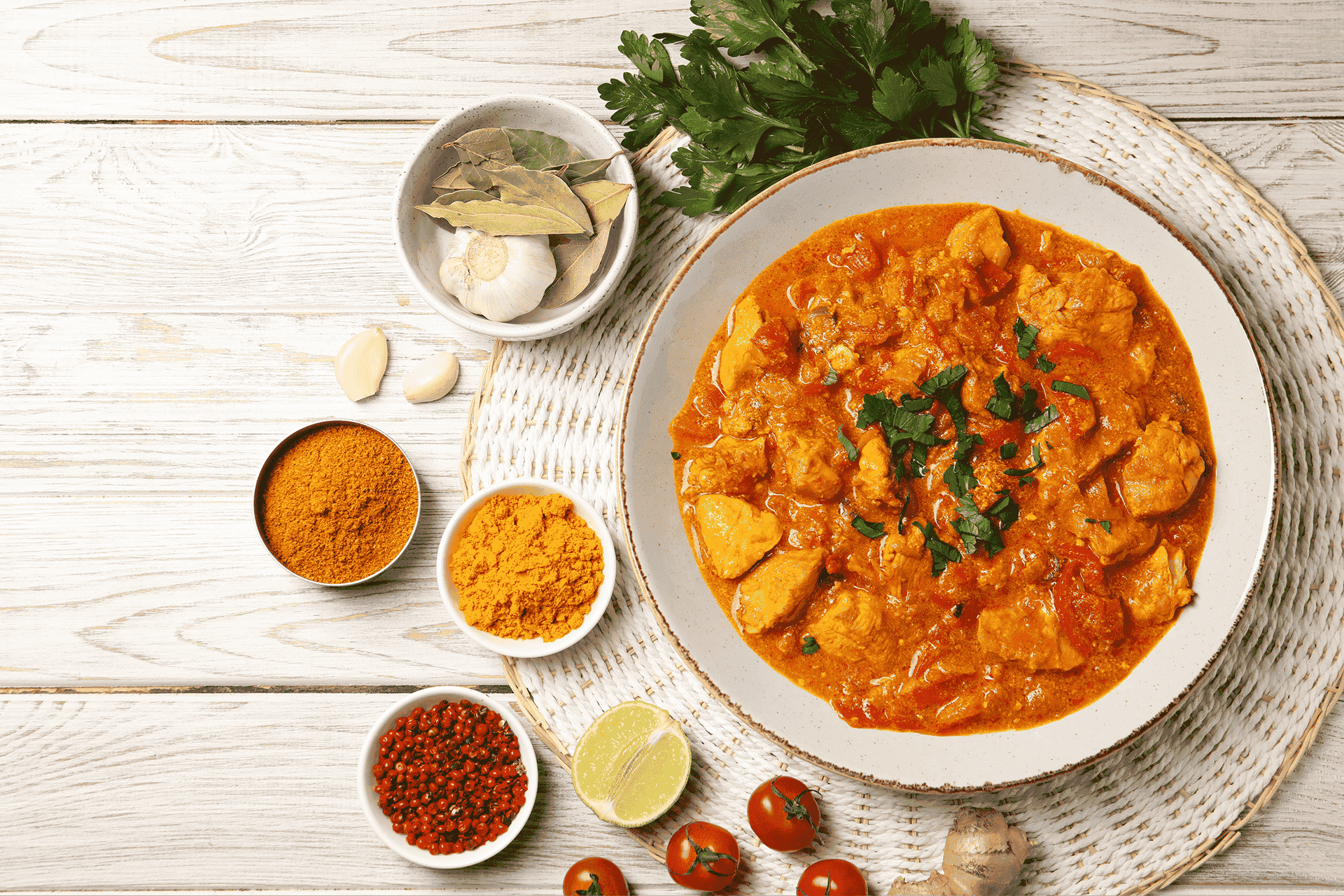
Umami, the fifth basic taste, joins sweet, sour, salty and bitter on the sensory spectrum. Found naturally in tomatoes, mushrooms, cheese and fermented foods, umami provides a round, savory depth that enhances balance and complexity in a dish. It is what makes butter chicken comforting and aged pickles so delectable.
Traditional Indian cooking is inherently umami-rich, with fermented batters, aged chutneys, tomato- based gravies, and meat reductions forming the backbone of flavor profiles across regions. Yet, while Indian food organically delivers umami, our kitchens often miss out on the opportunity to amplify this taste consciously.
Take ‘lababdar’, for example. Often mistaken for a specific dish or type of gravy, it is, in fact, a flavor profile—typically associated with chicken or paneer preparations. This idea of a mouth-coating, deeply savory experience aligns beautifully with what umami does: it stimulates salivation and enriches flavor. Ingredients like tomatoes, onions, butter and nuts—rich in natural
glutamates—come together in such preparations to create dishes bursting with umami.
The term ‘umami’ may be unfamiliar, but the taste certainly isn’t—Indians have long relished umami-laden dishes without labeling them as such. Now, it’s time to embrace this fifth taste more consciously, confidently, and even enhance it through innovative techniques and responsible use of ingredients like MSG.
Umami as a tool of culinary innovation
Experimental dining has become the hallmark of modern restaurants, and consumers are embracing bold, novel tastes. In India, too, diners are increasingly open to fusion concepts, limited-edition menus and sensory pairings. Umami sits at the center of this shift, offering chefs a tool to innovate without losing their culinary identity.
The Indian cuisine has remarkable potential to blend in umami flavors. For instance, dashi, which is a flavorful seaweed broth central to many Japanese soup preparations, can be compared to the Indian dal, a versatile staple that could be adapted into regional specialties such as South Indian sambar or Gujarati dal dhokli.
There’s a growing wave of experimentation with umami, and there was a personal exploration in dishes inspired by Tamilian cuisine. Some dishes like Molagapodi Ghee Poached Crab Idli or Tamari Chicken Pepper Fry on Furikake-Crusted Uttapam are born from this meeting of cultures. The fermented batters of idli and uttapam already have umami. Add in seafood, soy-rich tamari, a hit of black garlic, and you're building layers that feel familiar yet excitingly new. One of my favorite experiments is the Koji-Marinated Lamb Shank Uppu Kari, glazed with miso and served alongside a curry leaf pesto. It’s not just a dish—it’s a story of Chettinad warmth meeting Japanese technique. It showcases how, when done right, umami doesn’t overpower—it elevates.
Internationally, chefs use monosodium glutamate (MSG), which is a purified form of umami, to fine- tune flavor with precision. It is used in everything from ramen to risottos to red curry. Additionally, MSG can harmoniously coexist with other tastes. It can balance out sourness in tomatoes and even complement sweet flavors in certain sauces, underscoring its position as a valuable ingredient in expanding culinary range and fostering innovation in contemporary kitchen practices.
Making umami a part of Indian culinary thinking
We do not need to borrow umami from elsewhere. It has always been part of Indian cuisine, woven into everyday dishes and festive meals across regions. The deep umami of fermented idli batter, the complexity of slow-simmered saag, the tang and depth of tamarind-based curries, and the savory richness of meat stock in biryani all showcase how this taste has long been embedded in our food traditions.
The opportunity now is to recognize and apply it with intention. That means naming it, understanding how it behaves with other tastes, and developing techniques to elevate it in both
traditional and contemporary contexts. Chefs can revisit legacy recipes to identify their umami elements and enhance them with subtle adjustments. Cooks can begin to ask not just what tastes good, but why it tastes good, and how umami might be contributing.
This also calls for a shift in how we teach food. Culinary institutes could integrate umami into flavor science modules and use Indian examples to ground the concept. Cooking schools could design practical sessions that help students isolate and balance umami through broth, fermentation, spice and heat.
Now is a good time to take Indian cooking in a more flavor-aware direction. Understanding umami can lead to smarter, healthier, and more satisfying food. MSG, when used responsibly, can be a tool to reduce salt without reducing taste. This matters, especially when hypertension and other health issues are common in India. In fact, studies show that using MSG allows for up to a 25–40% reduction in sodium while maintaining overall flavor. Given the high salt content in many traditional dishes, this shift could make a meaningful impact on public health without compromising culinary integrity.
Indian chefs and food entrepreneurs can lead the way. They can draw from what already exists in our cuisine and use it to create something powerful. Umami is an integral part of our food story, and it deserves more attention.