Proteins
are the unsung heroes of life. These intricate biomolecules not only build and
repair our tissues but also orchestrate countless processes — from enzyme
activity to hormone regulation and immune defense. They even act as couriers,
transporting vital metabolites across the body. With nearly 15–20% of the human
body composed of proteins, they are truly the scaffolding and machinery of
life.
Structurally,
proteins are vast chains of amino acids, folded into complex shapes that
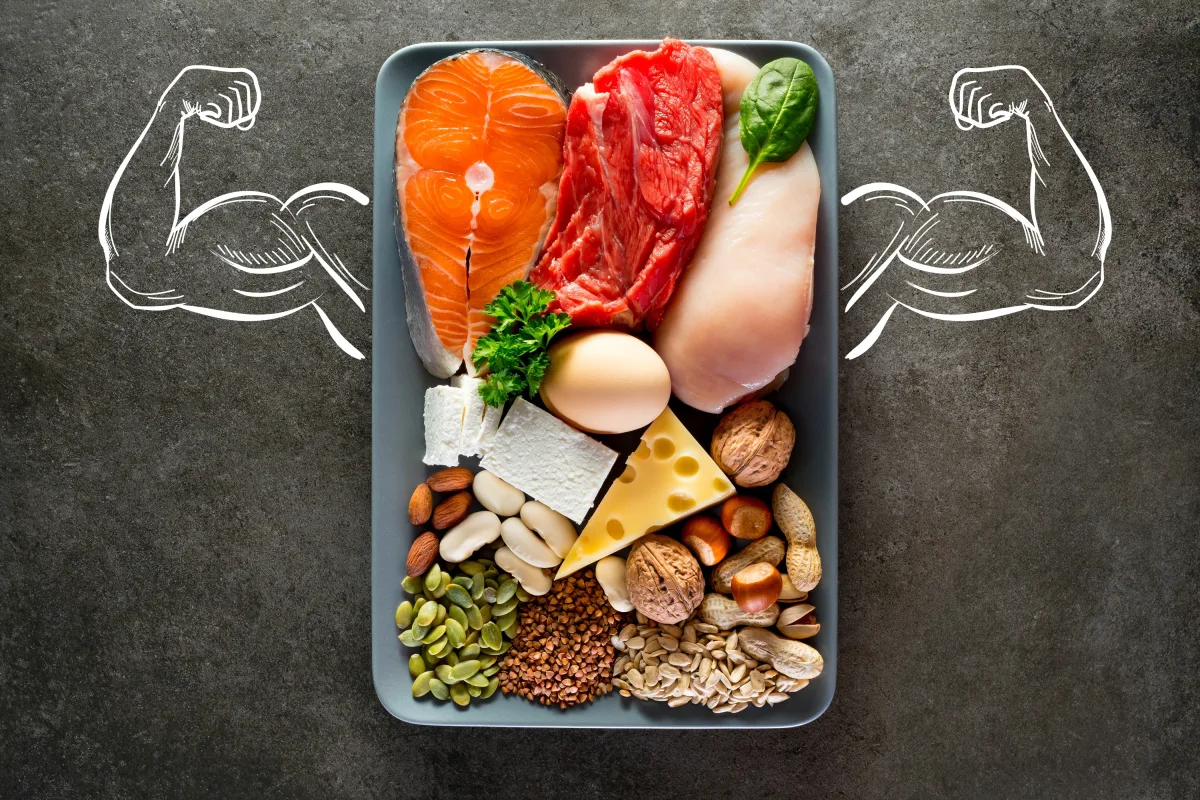
determine their function. Nature offers them abundantly: beans, legumes, meat,
fish, eggs, milk, and dairy products are all rich sources.
But
proteins aren’t just about nutrition. They also play a surprising role in the
way food tastes and smells. Flavour — that magical combination of taste and
aroma — can arise naturally, be coaxed out by cooking, or be enhanced with
herbs, spices, and additives. Proteins and their amino acid building blocks are
central to this sensory symphony.
How
Proteins Create Flavour
Proteins
influence flavour in two key ways:
u During
food processing — cooking, fermentation, or
aging transforms proteins into taste-active molecules.
u Through
amino acids and peptides — these smaller fragments
have distinct tastes and aromas that blend with other ingredients.
Mechanisms
of Flavour Generation
1. Food
Processing and Flavors
l Maillard
Reaction: The Maillard reaction is a
non-enzymatic browning process involving amino groups of amino acids and
carbonyl groups of reducing sugars. At temperatures above ~140 °C, reactive
intermediates such as Amadori compounds undergo rearrangements and Strecker
degradation, yielding aldehydes, pyrazines, and sulphur volatiles contributing
to distinct flavors.
Ø Branched-chain
amino acids (leucine, isoleucine, valine) → Strecker
aldehydes with malty, buttery, roasted notes.
Ø Sulphur-containing
amino acids (cysteine, methionine) → thiols,
thioethers, and sulphides with meaty, onion-like aromas.
This
reaction is responsible for the sensory transformation of bread crusts, roasted
coffee, and fried snacks.
l Fermentation:
Across cultures, fermentation has long been celebrated for its ability to
enrich flavour. Microorganisms break down proteins into peptides and amino
acids, which then evolve into alcohols, esters, acids, and sulphur compounds.
Think of the tang of yogurt, the depth of soy sauce, or the complexity of aged
cheese — all born from proteins reshaped by fermentation.
2. Amino Acids and Peptides as
Taste
Amino
acids are not just building blocks; they are flavour contributors in their own
right. They exhibit distinct sensory qualities due to their side-chain
chemistry and receptor interactions:
l Glycine, serine, and alanine are sweet tasting amino
acids
l Branched
chain amino acids, leucine, isoleucine
and valine are bitter tasting amino acids.
l Histidine
and lysine are slightly sour/astringent tasting amino acids.
l Glutamates
offer the savory deliciousness or umami taste.
Peptides
formed during proteolysis can act as flavour enhancers, modulating mouthfeel
and complexity. Gamma-glutamyl peptides, for instance, synergize with glutamate
to intensify savoury perception. Glutamate, in particular, is a superstar. It
enhances flavour by binding to taste receptors, creating the rich umami
sensation found in broths, aged cheese, and fermented foods. When paired with
sodium, glutamate intensifies saltiness even at lower salt levels — a powerful
tool for healthier, low-sodium product development.
The Science of Taste perception
The taste buds located on the tongue and oral cavity
have chemosensory taste receptor cells.
The tastant molecules bind to chemosensory receptors and send signal to
the brain. The signals are interpreted
as specific taste sensation. T1R1 and
T1R3 are umami and sweet taste receptors whereas T2Rs is a bitter taste
receptor.
L-glutamate is well known for eliciting umami, a
savory taste associated with broths, aged cheese and fermented foods. Glutamate
binds synergistically with sodium ions at taste receptors intensifying
saltiness even at low sodium levels. The combined action modulates ion
transport and receptor activation with enhanced salty taste and maintains
palatability. Enzymatic processes that increase levels of these amino acids
related gamma-glutamyl peptides are effective in enhancing flavour complexity
and mouthfeel making them essential tools in developing healthier low sodium
products without compromising taste.
Conclusion
Flavour
is more than a sensory delight — it’s a science. Proteins and amino acids are
not only nutritional assets but also molecular architects of flavour. Their
transformations during cooking and fermentation generate volatile compounds,
while their direct receptor interactions shape taste perception. Understanding
these biochemical pathways allows food scientists to design products with
optimized flavour profiles and improved health attributes.
Monosodium
glutamate (MSG), a purified form of glutamate, exemplifies this principle: it
safely enhances umami, supports sodium reduction, and demonstrates how amino
acid chemistry can be harnessed for both sensory and nutritional benefits. MSG
is a safe and effective flavour enhancer. It not only imparts umami but also
helps reduce sodium content without compromising taste. In modern food
development, the amino acid profile of proteins is not just a nutritional
measure — it’s a roadmap to crafting unforgettable flavours.