
Walk into any Indian kitchen and you will see tradition at work. There is dahi setting in a bowl, dosa batter quietly fermenting, pickles maturing, and rasam simmering with tomatoes and spices. Alongside this heritage, food science has also moved forward, helping us understand why certain flavours feel so satisfying. Food science helps explain why these flavours feel so comforting. Much of that comfort comes from umami, driven by glutamate, which appears naturally in many everyday ingredients.
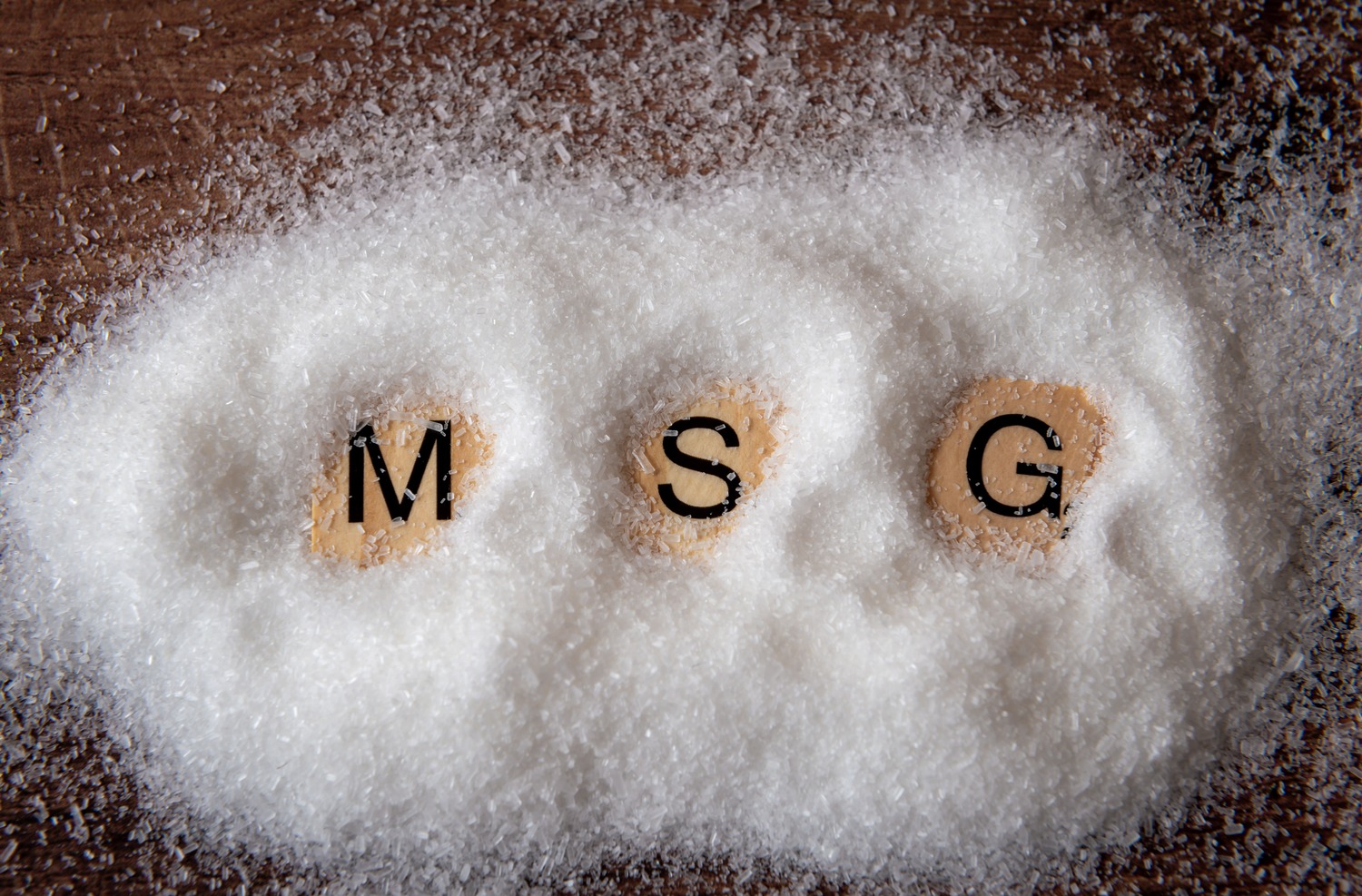
MSG is just one way to add that same glutamate-driven savouriness, yet it continues to attract myths that do not match the science. It is widely used around the world, yet it still carries a cloud of doubt in many conversations. The simplest way to clear that cloud is to look at where MSG comes from, what it is made of, and how it behaves in the body.
MSG begins the way many Indian foods do: with fermentation
Fermentation is one of humanity’s oldest food tools. Even the fermentation behind wine and beer is described as being at least 10,000 years old, and the principle is the same whether we are making curd, idli, or vinegar.
Modern MSG is produced through fermentation of everyday plant sources such as starch, sugar cane, sugar beets, or molasses. This fermentation process is similar to those used to make yogurt, vinegar, and wine.
A simple way to picture it is the “Pac-Man fermentation” analogy: microbes consume sugars and release useful compounds, just as bacteria transform milk into yogurt. In MSG production, microbes consume glucose and produce glutamic acid, which is then neutralized and crystallized into MSG.
If that sounds familiar, it should. Indian kitchens have trusted fermentation for generations because it improves flavour, texture, and digestibility. MSG is built on that same biological foundation.
Glutamate is already part of our everyday food, and our bodies know it well
The key part of MSG is glutamate. Glutamate is naturally present in foods many of us eat daily. Tomatoes and mushrooms, for example, contain free glutamates that contribute to savoury taste. Glutamate is also present in human milk, where free glutamate is reported as a prominent amino acid across stages of lactation.
What matters most is this: the body does not treat glutamate from MSG as “different.” The FDA states that glutamate in MSG is chemically indistinguishable from glutamate in food proteins, and the body metabolizes both the same way.
Indian food already celebrates umami
We may not always use the word “umami,” but we know the taste. Think of a well-made rasam where tomato, tamarind, and spice come together. Think of sambhar with lentils, sautéed onions, and a slow-cooked depth. Think of chutneys with roasted dals, curry leaves, or ripe tomatoes. These are all naturally umami-rich combinations.
There is a space for MSG in Indian cooking. Used thoughtfully, it can support it, especially in dishes where you want more savoury fullness without pushing salt higher.
A practical benefit: better taste with less sodium
Here is where MSG becomes especially relevant for modern health goals. MSG contains significantly less sodium than table salt. One widely cited comparison is about 12.28 g sodium per 100 g for MSG versus about 39.34 g per 100 g for table salt.
Because it boosts savoury perception, MSG can help reduce the amount of salt needed in certain dishes without making food feel flat. Some sources summarizing sodium-reduction research report that partial replacement of salt with MSG can reduce sodium in home cooking by up to 61% while maintaining flavour.
We also have India-relevant sensory evidence. For instance, in a study that I conducted back in 2017 on flavour perception of low salt “Poories”, adding MSG at 75 to 100 mg per 100 g of wheat flour alongside reduced salt (1.5 to 1.75%) and spices like chili, cumin, pepper, and omum led to higher umami scores and better overall acceptability than salt-only versions. That is a useful reminder: MSG works in harmony with Indian spices and even elevates them.
A mindful ally, not a myth
MSG is a scientific echo of practices we already trust. It comes from fermentation, it delivers a taste our cuisine already celebrates, and it can help us meet the practical need to cut back on sodium without sacrificing enjoyment. Used in small amounts, in the right dishes, it can be a steady bridge between good taste and better health.